What Is PrescribedRx TRT™?
PrescribedRx TRT™ is a telehealth-based testosterone replacement therapy program. Instead of booking a clinic, sitting in a waiting room and waiting weeks for a follow-up, you handle the consultation, lab work and prescription follow-through online. If a licensed clinician decides therapy is appropriate, your medication is shipped to you in discreet packaging.
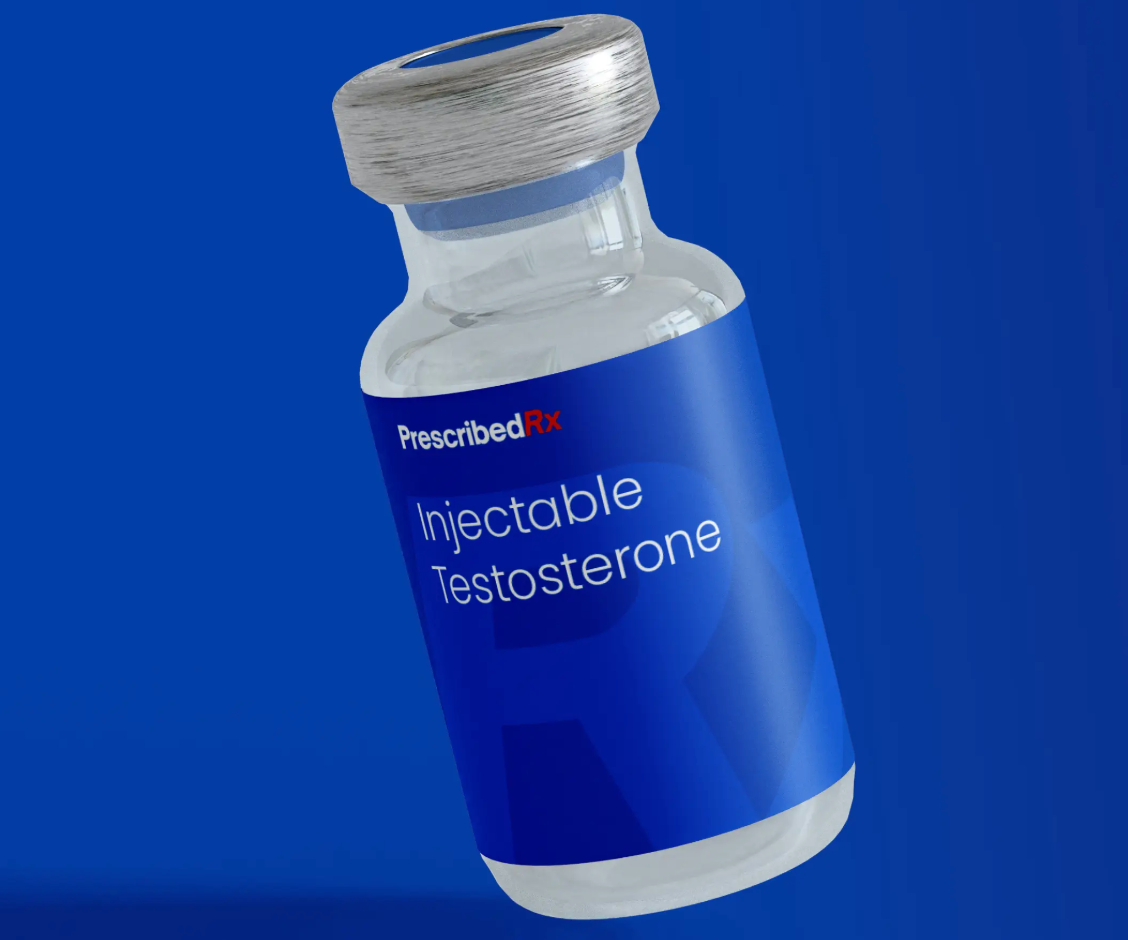
The medication at the heart of the program is injectable testosterone, supplied in a sealed vial like the one pictured above. Testosterone replacement therapy (TRT) is a long-established medical treatment for men whose bodies no longer make enough of the hormone. What the PrescribedRx model changes is the experience around it: speed, convenience and ongoing oversight.
Plain-English summary: TRT is not a supplement and it is not a shortcut. It is a prescription therapy meant for men with confirmed low testosterone and matching symptoms, started and adjusted by a clinician.
Common Signs of Low Testosterone
Testosterone does far more than build muscle. It influences mood, motivation, bone density, red blood cell production and sex drive. When levels fall below what your body needs, the signs tend to creep in so slowly that many men blame stress, age or a bad stretch at work.
- Persistent fatigue that sleep and coffee do not fix
- Lower sex drive or changes in erectile function
- Brain fog and trouble concentrating
- Mood changes, irritability or a flat, low feeling
- Loss of muscle and slower recovery after training
- Extra body fat, especially around the midsection
None of these symptoms prove low testosterone on their own. Thyroid problems, sleep apnea, depression and vitamin deficiencies can look very similar. That is exactly why blood testing comes first.

How the PrescribedRx TRT™ Process Works
The appeal of the program is how little friction there is. Here is the typical path, start to finish:
- Start online. You complete a health questionnaire covering symptoms, medical history and current medications.
- Get your labs. You visit a partner lab for a blood draw, usually early in the morning when testosterone peaks.
- Talk to a clinician. A licensed provider reviews your results and symptoms by secure video or message and decides whether therapy is appropriate.
- Receive your prescription. If you qualify, your injectable testosterone ships directly to you.
- Follow up. Repeat labs and check-ins make sure your dose stays in a healthy range.

Curious whether you qualify?
Start the online process and let a licensed clinician look at your symptoms and lab results.
Check My Eligibility →Why Injectable Testosterone?
Testosterone can be delivered as gels, patches, pellets or injections. Injections remain one of the most widely used options for good reasons: dosing is precise, absorption is predictable and there is no risk of transferring the hormone to a partner or child through skin contact, which is a real concern with topical gels.
| Method | Convenience | Dose control | Skin-transfer risk |
|---|---|---|---|
| Injectable (PrescribedRx) | Weekly or as directed | High | None |
| Topical gel | Daily | Moderate | Yes |
| Patch | Daily | Moderate | Low (skin irritation common) |
| Pellets | Every few months, in-office | Fixed once placed | None |
Your clinician will walk you through injection technique and schedule. Most men find that it quickly becomes a short, routine part of the week.
What to Expect and When
Everyone responds differently, and anyone promising overnight results is not being straight with you. As a general guide that clinicians often describe:
- First few weeks: some men notice better energy, sleep and mood first.
- Around 1 to 3 months: libido and motivation often improve; workouts may feel stronger.
- Around 3 to 6 months: changes in body composition and strength become easier to see, especially alongside training and good nutrition.
Your own timeline depends on starting levels, dose, age, sleep, diet and consistency. Follow-up bloodwork is what tells you, and your clinician, whether things are on track.

Safety, Side Effects and Honest Caveats
Testosterone therapy is effective for the right person, but it is real medicine with real trade-offs. A trustworthy program will tell you so up front. Talk through these with your clinician:
- Fertility: TRT can reduce sperm production. If you plan to have children, say so before starting.
- Red blood cell count: therapy can raise hematocrit, which is why regular blood tests matter.
- Skin and hormones: acne, fluid retention or breast tenderness can occur and are usually manageable with dose changes.
- Existing conditions: sleep apnea, prostate concerns and heart conditions need careful review.
- Never self-adjust: more is not better. Dose changes should come from your clinician.
Important: this article is for education only and is not medical advice. Only a licensed healthcare provider can diagnose low testosterone or decide whether TRT is right for you.
Habits That Help Therapy Work Better
Medication is one piece of the picture. Men who pair TRT with a few basics usually feel the difference more clearly:
- Lift something heavy two to four times a week.
- Protect your sleep. Seven to nine hours is when your body does most of its hormone work.
- Eat enough protein and do not crash-diet while on therapy.
- Limit alcohol and manage chronic stress where you can.
- Keep every follow-up lab. They are the safety net.
Who PrescribedRx TRT™ May Suit
The program is designed for adult men who have both symptoms and lab-confirmed low testosterone, who prefer the convenience of online care, and who are comfortable with a routine that includes injections and regular testing. It is probably not the right fit if you want testosterone purely for performance, if you are hoping to conceive soon, or if you have a medical history your clinician flags as a concern. In those cases, a good provider will say no, and that is a sign the process is working.
Frequently Asked Questions
Is PrescribedRx TRT™ a prescription product?
Yes. Testosterone is a controlled prescription medication, so a licensed clinician must review your labs and history before it is prescribed.
Do I need to visit a clinic in person?
The consultation and follow-ups are handled online. You will need to complete a blood draw at a partner lab location.
How often are injections taken?
Schedules vary by individual and are set by your clinician. Many men inject weekly or in smaller, more frequent doses, but you should follow your own prescription.
Will TRT affect fertility?
It can. Testosterone therapy may lower sperm count. Tell your clinician if you want children now or in the future.
How do I get started?
Visit the official sign-up page, complete the online questionnaire and follow the lab and consultation steps.
Ready to take the first step?
Answer a few questions online and see whether PrescribedRx TRT™ could be right for you.
Get PrescribedRx TRT™ Now →Final Thoughts
Low testosterone is common, treatable and still under-discussed. PrescribedRx TRT™ makes the path from “something feels off” to a proper evaluation shorter and less awkward, and it keeps a clinician involved along the way. If the symptoms in this guide sound familiar, getting your levels checked is a sensible first move. Whether therapy follows is a decision for you and a licensed provider, based on data.